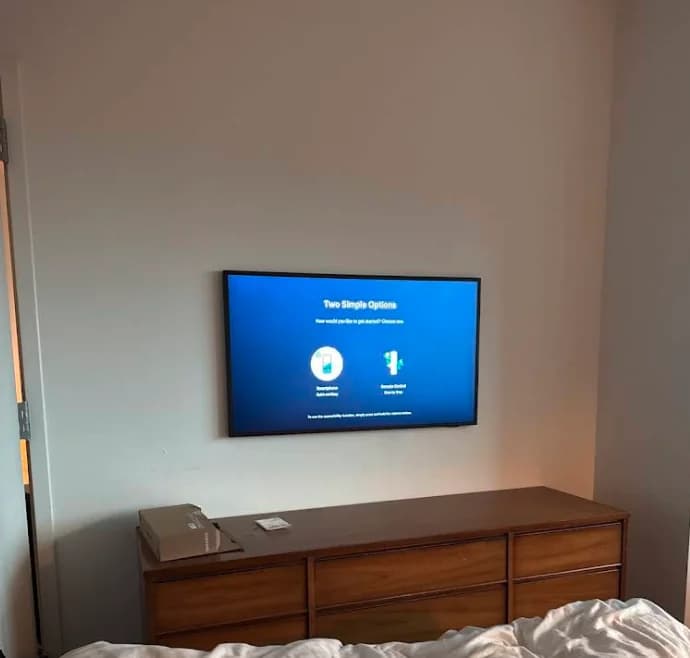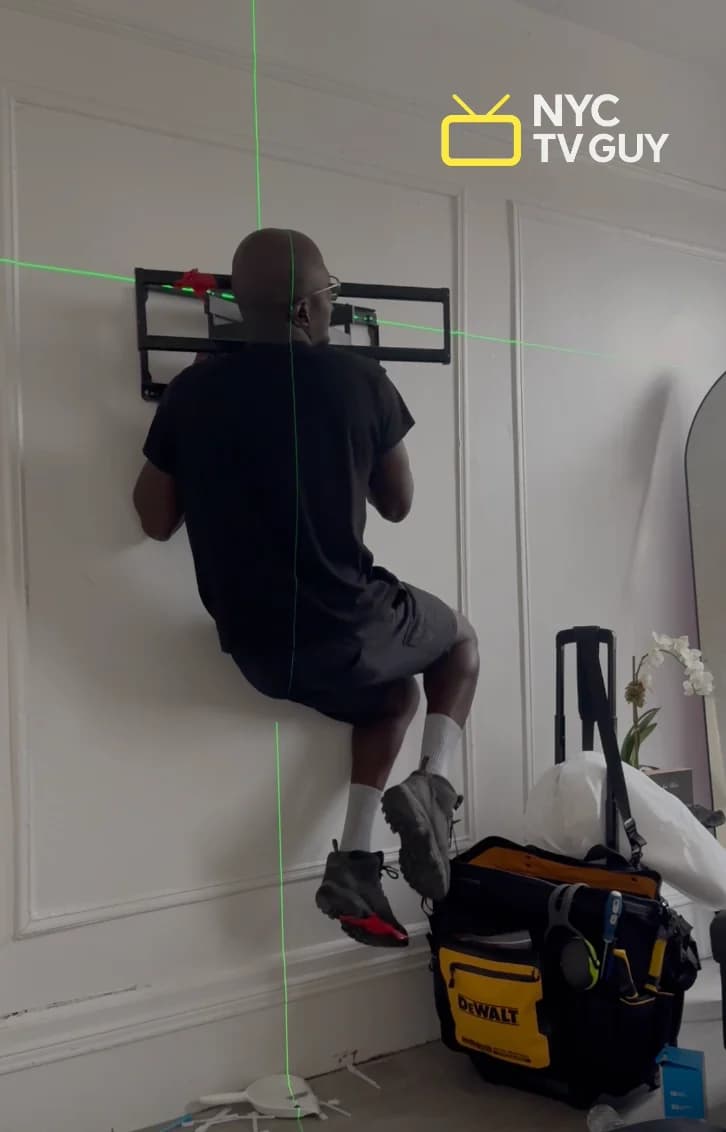
Mounting a TV in a NYC apartment is not like mounting one in a New Jersey house. The walls are different — and the standard advice from big-box stores won't help you.
Who's this for: Anyone planning a DIY TV mount in NYC, or anyone curious why a professional install quote is higher than expected.
This guide covers the four wall types you'll find in NYC apartments and exactly which tools each one requires.
The short answer
- Plaster walls (pre-war buildings): need a rare-earth magnet to find studs, a masonry pilot bit, and longer lag bolts (3.5"–4") because the plaster layer is thick.
- Concrete or cinder block (post-war high-rises): need a hammer drill and Tapcon concrete screws. A regular drill won't cut it.
- Metal studs (newer construction): need toggle bolt anchors — lag bolts won't grip hollow metal.
- Drywall over wood studs: the easy case — standard stud finder, lag bolts, done. Rare in NYC but common in NJ (see NJ mounting tools guide).
- Skip the research: book a professional install and we show up with the right tool for every NYC wall type.
NYC Wall Types (and Why They Matter)
You need to know what's behind your wall before you touch a drill. NYC apartments have four common types — and each one needs a different approach.
Plaster Over Wood Lath
Found in pre-war buildings built before the 1940s. Think Manhattan brownstones, Brooklyn townhouses, older co-ops.
Plaster is a thick, hard coating applied over thin horizontal wood strips (called "lath") nailed to wood studs. It's the most common wall type in older NYC buildings — and the trickiest to work with.
The challenge: Plaster is brittle and cracks easily. Standard stud finders give false readings because the lath confuses them. The plaster layer alone can be ¾" to 1" thick, so standard mount hardware may be too short to reach the stud properly.
Plaster Over Metal Lath
Similar to wood lath, but the substrate is expanded metal mesh. Common in buildings from the 1920s through 1950s.
The metal lath makes stud detection even harder and dulls drill bits quickly. Treat it the same as wood lath, but expect more resistance when drilling.
Concrete or Cinder Block
Found in post-war high-rises, public housing, and mid-century apartment buildings. The entire wall is solid masonry — sometimes with a thin skim coat of plaster or a drywall layer on furring strips on top.
The challenge: Standard wood screws and lag bolts do nothing in concrete. You need specialized anchors and a hammer drill.
Modern Drywall Over Metal Studs
Found in newer construction and recent renovations. Drywall is screwed to light-gauge metal studs — it looks like a suburban wall, but the studs are hollow and weaker than wood.
The challenge: Lag bolts won't grip hollow metal studs. You need toggle bolt anchors or a through-bolt system.
The NYC TV Mounting Tool Kit
For Plaster Walls (Wood or Metal Lath)
Deep-scan stud finder: Regular stud finders give false positives on plaster. You need a model built for deep scanning — and even then, verify with a second method.
Strong rare-earth magnet: Often more reliable than an electronic stud finder on plaster. Drag it slowly across the wall — it sticks to the nails or screws holding the lath to the studs. Once you find a line of fasteners, you've found a stud.
Masonry drill bit (for pilot holes): Plaster can crack if you drive a lag bolt without a pilot hole. Use a masonry bit for the pilot hole through the plaster layer, then switch to a standard wood bit for the stud behind it.
Longer lag bolts: Standard 2.5" lag bolts barely reach the stud after passing through ¾"–1" of plaster plus lath. Use 3.5"–4" bolts to get enough penetration into the stud.
Plaster washers: Large-diameter washers (also called plaster repair washers) spread the load over a wider area. This reduces the risk of the plaster cracking around the bolt head.
Vacuum with a HEPA filter: Plaster dust is extremely fine. A regular shop vac blows it right back into the air. Use a HEPA-filter vacuum or wet-wipe the area after drilling.
For Concrete Walls
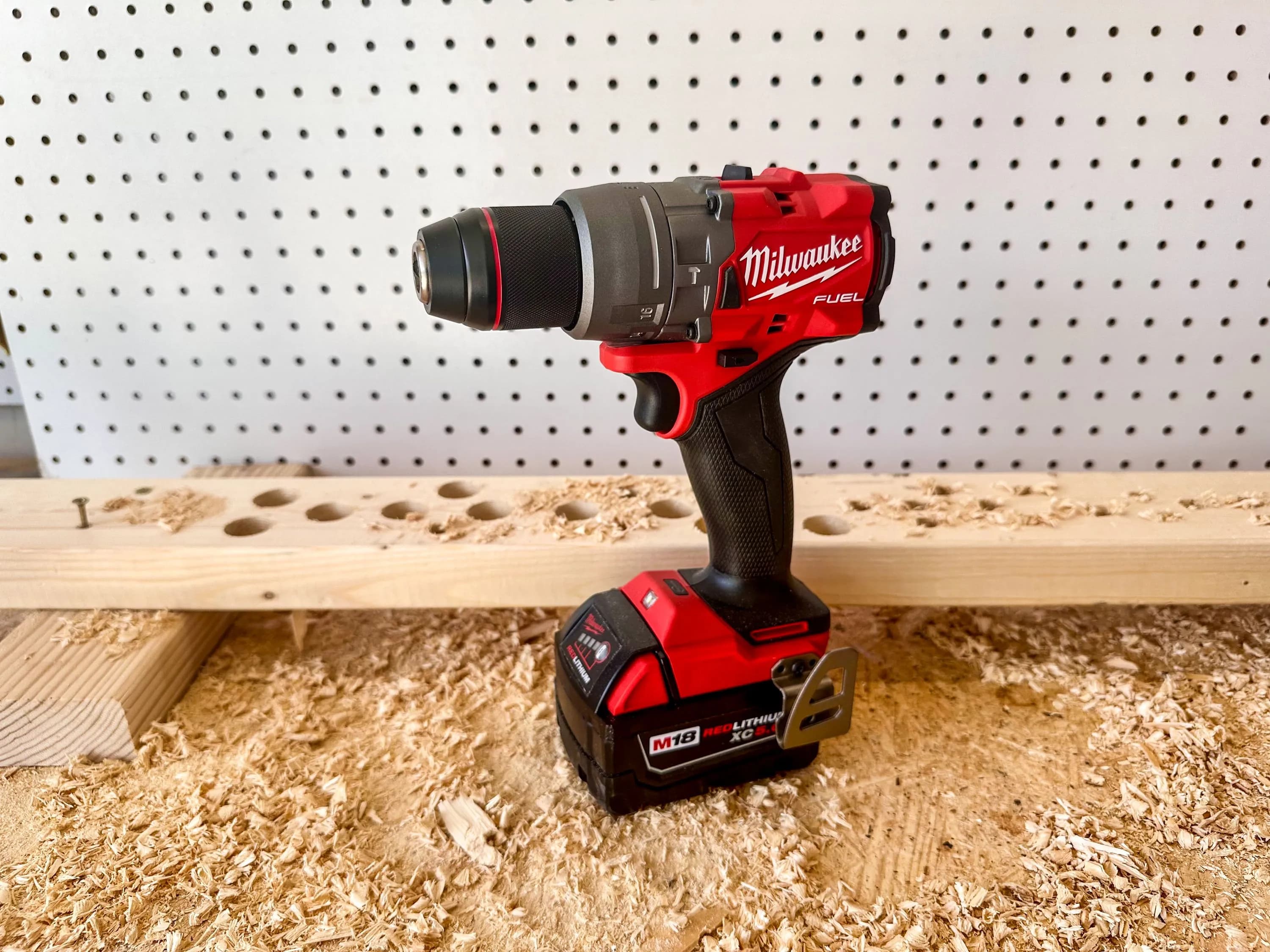
Hammer drill (rotary hammer): A regular drill cannot penetrate concrete. You need a hammer drill that combines rotation with a hammering action. For NYC apartment work, a compact SDS-plus rotary hammer is ideal — powerful enough for concrete, small enough for tight spaces.
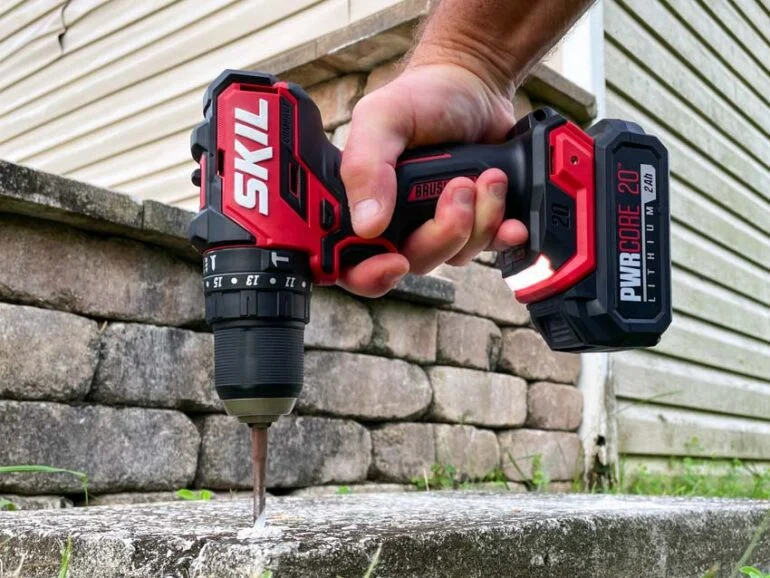
Carbide-tipped masonry bits: Use bits rated for concrete. Start with a smaller pilot bit and step up to your final diameter. The required bit size for Tapcon screws is printed on the screw packaging.
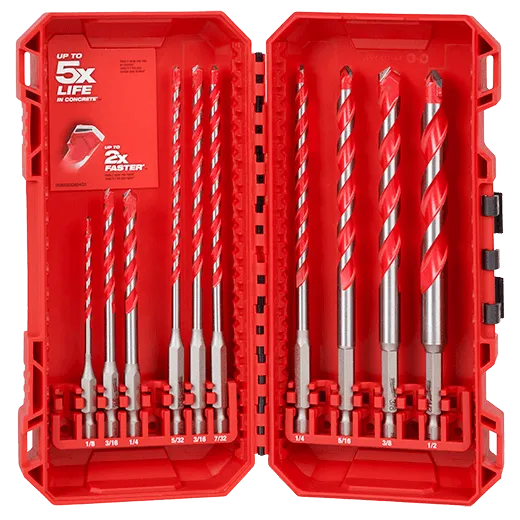
Tapcon concrete screws: The standard fastener for mounting into concrete in NYC. They thread directly into a drilled hole — no separate anchor needed. Blue Tapcons in 3/16" or ¼" diameter are the go-to for TV mounts.
Concrete anchors (for heavier TVs): For TVs over 60" or full-motion mounts that extend far from the wall, sleeve anchors or wedge anchors hold more securely than Tapcons.
Compressed air or blower: Concrete dust packs into drilled holes and blocks anchors from seating properly. Blow out every hole before inserting anything.
For Metal Stud Walls
Magnetic stud finder: Metal studs are easy to find — any magnetic stud finder works. No deep-scan needed.
Toggle bolts (SnapToggle or similar): The primary fastener for metal studs. SnapToggle is a popular brand that lets you insert and reposition the toggle without fishing it through the wall from scratch.
Self-drilling metal screws: For lighter loads or supplemental points, these drill through the metal stud without a pilot hole.
Through-bolt kits: For full-motion mounts on metal stud walls, a through-bolt kit uses a steel plate on the back side of the drywall to spread load across a wider area. This is the most secure method for metal studs.
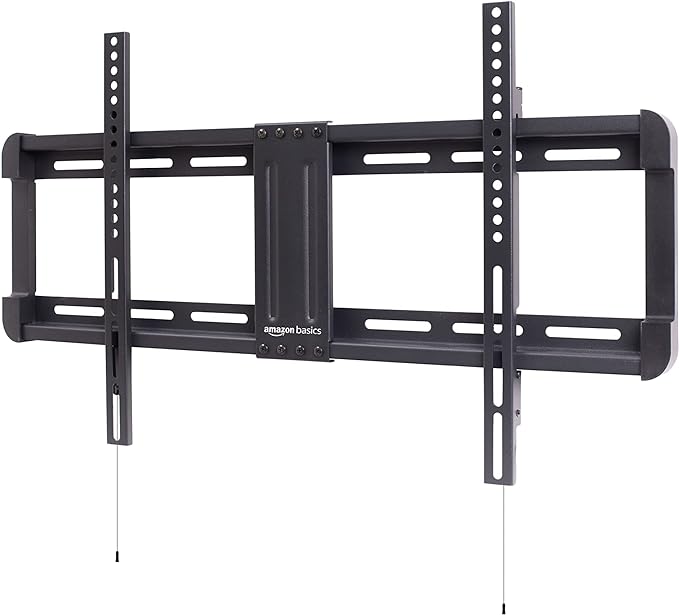
Tools Every NYC Install Needs (Regardless of Wall Type)
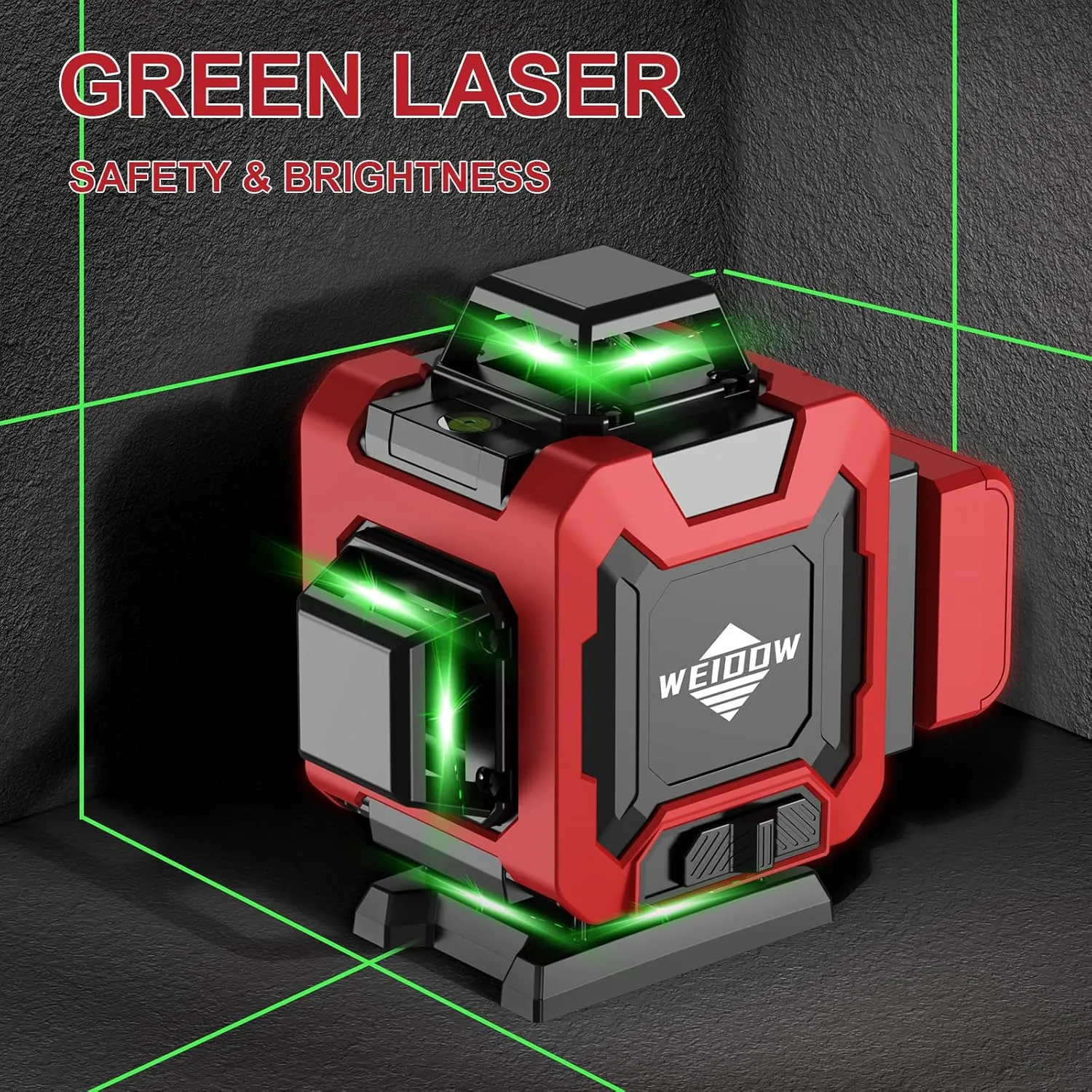
- Laser level — a crooked TV in a small apartment is painfully obvious.
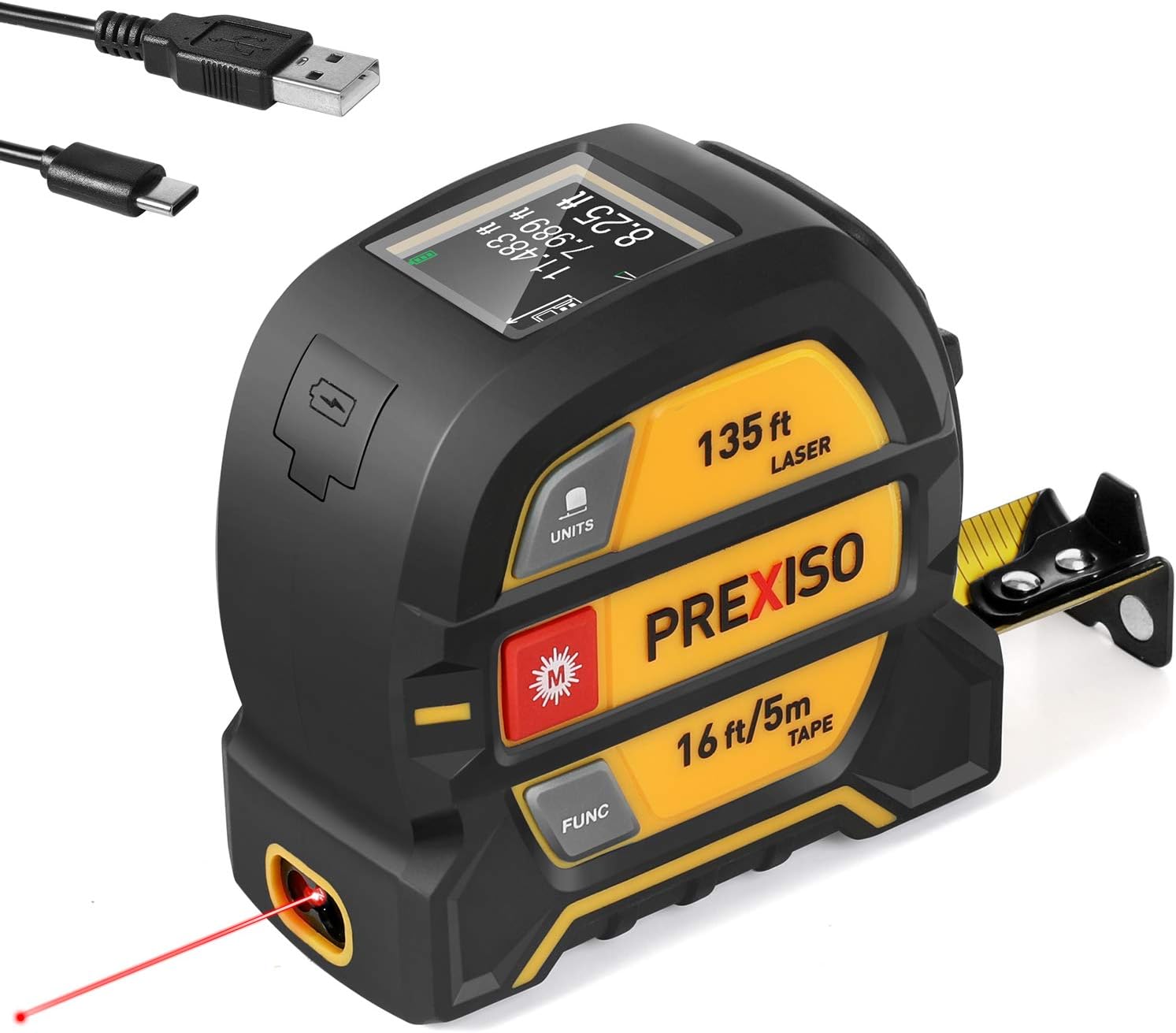
- Measuring tape (25-foot)
- Pencil and painter's tape for marking drill points on the wall
- Socket wrench set for final tightening of lag bolts
- Wire and cable management supplies — cord covers, raceway, or in-wall rated cable plates (see our cable hiding guide for options)
- Drop cloth to protect floors and furniture from dust
- PPE — safety glasses and a dust mask, especially for plaster and concrete
What Makes NYC Harder Than Everywhere Else
You can't just pick a different wall. In a house, if one wall is difficult you move to another. In a 500-square-foot apartment, the TV goes on one specific wall and that's that.
Building permission. Some co-ops require board approval for "alterations" — which drilling technically qualifies as. Check your building's house rules before mounting.
Plaster repair is expensive. If you crack the plaster around your mount points, repairs in NYC run $200–$500 depending on the extent. Getting it right the first time matters more here than anywhere. Not sure about the right height for your TV? That's another thing worth getting right on the first try.
Access and logistics. Getting tools and a TV up a 5-floor walkup is part of the job. Elevator buildings are easier, but freight elevator scheduling adds its own complexity. We factor all of this into every install.
The Professional Advantage
We mount TVs in NYC apartments every day. We've seen every wall type, every building quirk, and every surprise behind drywall. Our truck carries tools for every scenario — pre-war plaster in a Harlem brownstone, concrete in a Long Island City high-rise, metal studs in a new Williamsburg condo.
The difference between a DIY install and a professional one isn't just the final result — it's the speed, the confidence, and knowing the TV isn't going anywhere. Browse our recommended mounts and accessories, or skip the research and book a professional install. It takes about 2 minutes.
Frequently Asked Questions
What type of walls do most NYC apartments have?
It depends on the building's age. Pre-war buildings (before the 1940s) almost always have plaster over wood or metal lath. Post-war high-rises and public housing often have concrete or cinder block. Newer construction and recently renovated units typically have drywall over metal studs. True drywall over wood studs — the easiest case — is rare in NYC but common in NJ.
Can I use a regular drill on a NYC plaster or concrete wall?
For plaster, yes — but you need a masonry pilot bit and the right depth. For concrete, no. You need a hammer drill (also called a rotary hammer) that combines rotation with a hammering action. A standard drill will spin uselessly against concrete.
Why won't lag bolts work in metal studs?
Metal studs in NYC apartments are light-gauge hollow steel — like a thin metal channel. Lag bolts bite into solid wood by gripping the fibers. In hollow metal, there's nothing for them to grip. Toggle bolt anchors — which expand on the other side of the wall — are the right fastener for metal studs.
Do I need special hardware for a heavy TV on a plaster wall?
Yes — three things: longer lag bolts (3.5"–4" instead of 2.5"), plaster washers to spread the load, and verification that you're actually hitting a stud and not just the lath. Plaster without stud backing will not hold a TV mount safely.
What's the most common mistake in NYC DIY TV mounting?
Mounting into lath instead of the stud behind it. Electronic stud finders give false positives on plaster — they detect the lath, not the actual stud. Use a strong rare-earth magnet to find the nail line in the lath, trace it across the wall, and verify you're drilling into the stud itself before committing.
Is professional TV mounting worth it in NYC?
Yes — especially on plaster and concrete. The wrong tool, wrong fastener, or wrong stud location means holes in the wrong place, cracked plaster, or a TV that eventually pulls out of the wall. Professional plaster repairs in NYC run $200–$500. We arrive with the right tools for every NYC wall type and have done this hundreds of times. Book an install or call (646) 912-5050.